


Early Perimenopause and Relationships: When You Don't Feel Like Yourself Anymore
- Live Life Happy Therapy

- Jul 8
- 3 min read
One phrase has been appearing more and more in my therapy room recently:
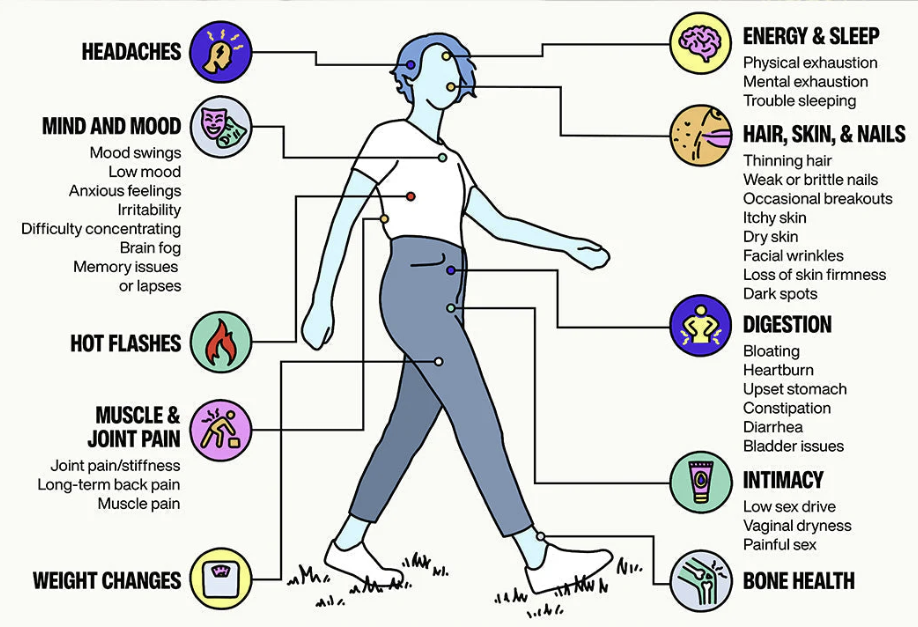
"I just don't feel like myself anymore." These are women in their late thirties, early forties and beyond who are struggling to understand what has changed. They're often exhausted, emotionally overwhelmed, anxious, tearful, disconnected from themselves and often from their partners too. Many have noticed a dramatic change in their desire for intimacy, while others are experiencing pain during sex for the first time in their lives.
What many don't realise is that these can all be signs of perimenopause. Although many people associate menopause with women in their fifties, perimenopause can begin much earlier. Hormonal fluctuations can start years before periods stop completely, bringing with them a wide range of physical, emotional and psychological changes that can have a profound impact on both the individual and their relationship.
One of the most distressing changes for many women is a loss of sexual desire. Alongside this, some experience dyspareunia, persistent pain during sexual intercourse, often caused by hormonal changes that lead to vaginal dryness, thinning of the vaginal tissues and reduced elasticity. For some women, intimacy that was once pleasurable becomes uncomfortable, painful or something they begin to avoid altogether.
This isn't simply about sex. It's about identity. It's about feeling disconnected from your body.
It's about grieving the loss of a part of yourself that once felt natural and effortless.
Many women describe feeling guilty that they no longer want intimacy, worrying that they're letting their partner down or questioning whether something is wrong with them. Others begin to avoid affection altogether because they fear it may lead to expectations they simply don't have the emotional or physical capacity to meet.
The Impact on Relationships
Meanwhile, partners are often experiencing their own emotional struggle. Without understanding what's happening, they may feel rejected, confused or hurt. They may wonder whether the attraction has disappeared or whether they've done something wrong. Over time, these misunderstandings can create emotional distance, resentment and loneliness for both people.
This is why perimenopause isn't simply an individual experience, it affects the relationship too.
As a relationship and psychosexual therapist, I'm seeing these conversations become increasingly common. More women are arriving in therapy carrying shame, confusion and frustration because they don't recognise themselves anymore, while couples are trying to navigate changes they never anticipated.
What I also hear, far too often, is how difficult it has been for women to access support.
Many tell me they've been reassured that it's "just stress", that they're anxious, depressed or simply getting older. Some describe feeling as though they have to fight to be heard before anyone considers that fluctuating hormones may be contributing to how they're feeling.
This isn't to suggest that every healthcare professional dismisses women, many provide excellent care, but the reality is that countless women describe feeling unheard before they receive appropriate assessment or treatment. Feeling dismissed can leave women doubting themselves at a time when they most need reassurance and support.
The emotional impact of this cannot be underestimated. When physical discomfort, changing hormones and emotional distress collide, it can affect confidence, self-esteem, body image and relationships. Women often tell me they feel they've somehow "lost themselves", while partners can feel unsure how to help without making things worse.
When couples recognise that these changes are not about a lack of love or commitment, but about a significant hormonal transition, conversations become kinder. Blame is replaced with curiosity. Shame begins to lift. Partners become teammates rather than opponents.
Support may include medical advice, psychosexual therapy, relationship therapy, pelvic health physiotherapy or menopause specialists. There is no one-size-fits-all approach, but there are options, and no one should feel they have to simply endure it.
Perhaps the most important message I want women to hear is this: You know your body.
If something feels different, if intimacy has become painful, if your desire has disappeared, if your mood, emotions or sense of self have changed, you deserve to be listened to. You deserve to have your concerns explored rather than dismissed.
Perimenopause is far more than hot flushes and irregular periods. It can influence emotional wellbeing, relationships, identity and intimacy in ways that many people simply aren't prepared for.
You Don't Have to Navigate This Alone
The more we talk about it openly, the less shame women will carry, and the more couples can approach this stage of life with understanding, compassion and hope rather than confusion and isolation. No woman should feel she has to suffer in silence, and no couple should feel they have to navigate these changes alone.
To find out more about relationship and psychosexual therapy, or to arrange an initial consultation, please get in touch. Together, we can help you move from confusion and disconnection towards greater understanding, confidence and connection.


Comments